
Australia is the kind of place where the shortlist is the hard part. It’s so vast that plenty of Australians spend a year or two driving the full lap of their own country, and still come home with a list of places they didn’t reach. A first trip can pull you in a dozen directions at once: red desert, tropical reef, ancient rainforest, world-famous coastline. The good news is you don’t have to see all of it to feel like you’ve seen Australia properly.
So we’ve done the narrowing-down for you. These are the seven experiences we’d never skip, one for each corner of the country, the ones that earn their place on almost every itinerary we put together. Here’s where to start, and a quiet insider tip for each.
1. Sydney Opera House & Sydney Harbour
Where: New South Wales
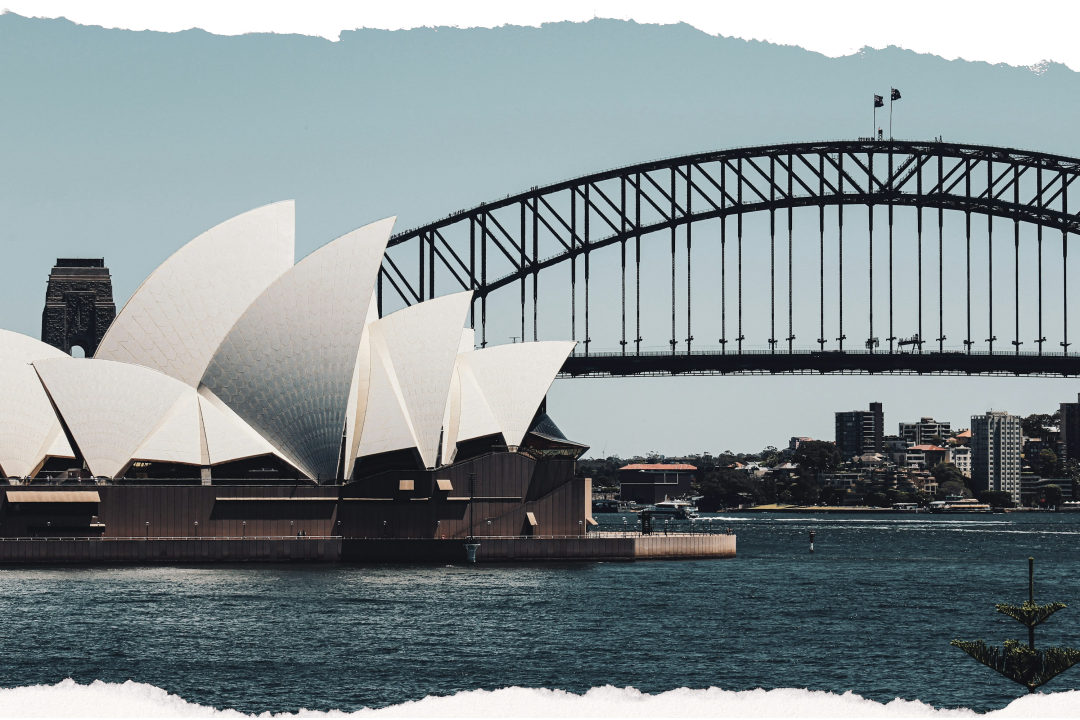
There’s a reason this is the picture the whole world recognises. Jørn Utzon’s white sails have crowned Bennelong Point since 1973, and right beside them the Harbour Bridge throws its vast steel arch across the water, so enormous up close that it can feel almost surreal. Our favourite way to take it all in is from the water itself: a small-group lunch cruise that traces the foreshore and the working bays most ferries skip past, with lunch on board and the Opera House and bridge always somewhere in the frame.
Insider tip: An early-afternoon cruise puts you on the water as the light starts to soften. By the time you step off, the sails are warming up gold for sunset, and a harbourside bar in the Rocks is the easy next stop.
2. Uluru & Sounds of Silence
Where: Red Centre, Northern Territory
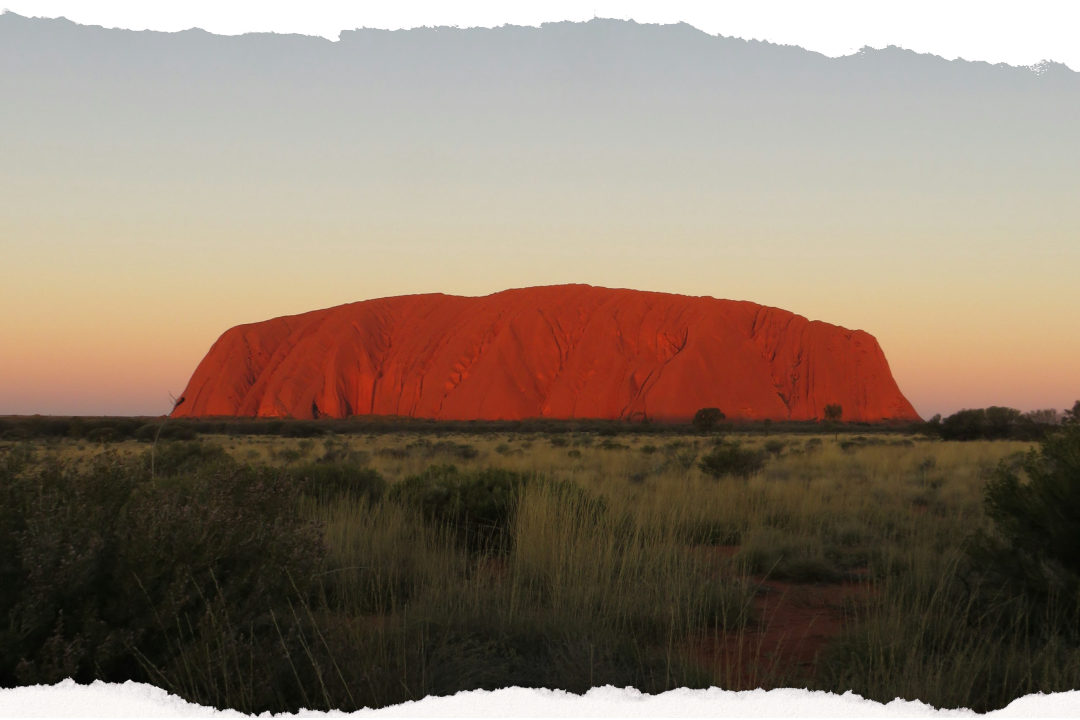
Few places carry the weight that Uluru does. Rising 348 metres from the desert and sacred to the Anangu people for tens of thousands of years, it shifts through deep reds and burnt oranges as the sun moves across it. Step away from the viewing platforms and the desert offers something rarer still: long stretches of complete quiet, with nothing but red sand, open sky and space to think. As the light fades, dinner is served outdoors at Sounds of Silence, the experience we recommend over the better-known light installation: canapés and sparkling wine at sunset, a bush-tucker buffet under the desert sky, and a star talk from a local astronomer once it’s fully dark.
Insider tip: Pair Sounds of Silence with a sunset viewing of Uluru on the same evening. You’ll watch the rock change colour as the light goes, then sit down to dinner under the Milky Way. Bring a light layer; the desert cools quickly once the sun is down.
3. The Great Barrier Reef
Where: Tropical North Queensland
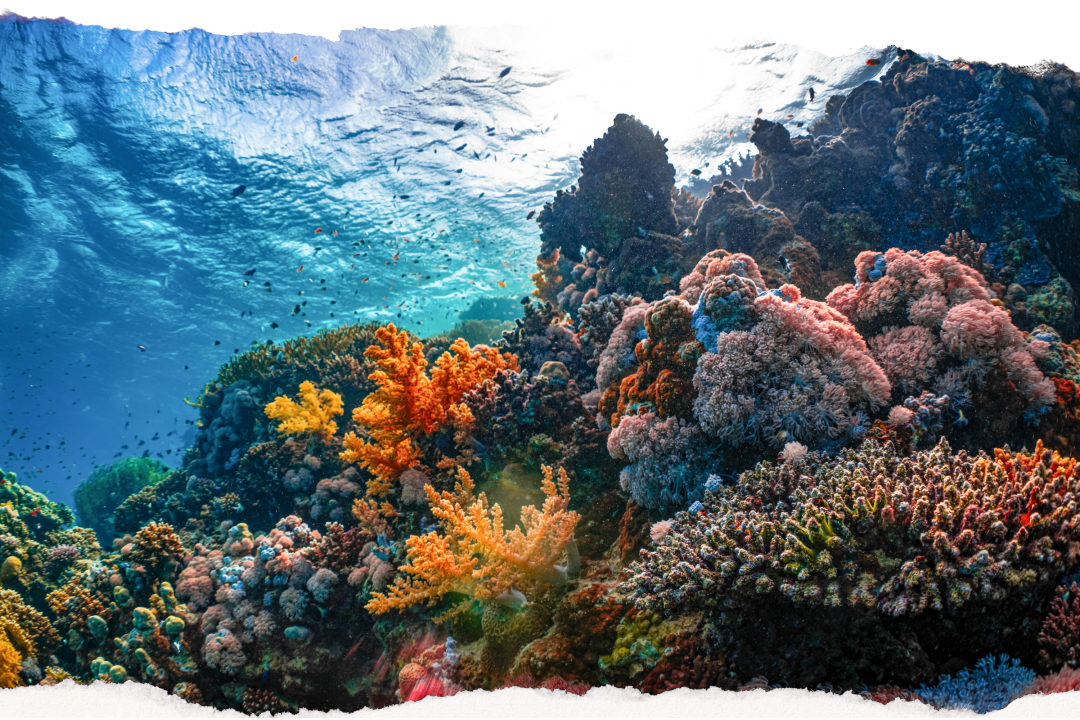
The largest living structure on the planet, visible from space, and somehow even more impressive up close. Of the two main gateways, we send most guests to Port Douglas: a quieter, prettier town than Cairns, closer to the outer reef, and home to the small-group operators that make the day. The boats we use carry a low passenger count, give you real time at each site, and have crews who’ll talk you through what you’re seeing rather than just ferrying you over it. Within the morning you can be floating above coral gardens with parrotfish, turtles and reef sharks that pay you no attention at all.
Insider tip: Pick a small-group charter over a big-boat day. The water is the same, but the boats we use take between twelve and twenty-four guests instead of two hundred, depending on the vessel, and the smallest of them really do feel like a private day on the reef. You get longer at each site, and a guide who actually knows your name. The Low Isles, also out of Port Douglas, are a gentle, calm-water option for families and first-time snorkellers.
4. The Daintree Rainforest
Where: Tropical North Queensland
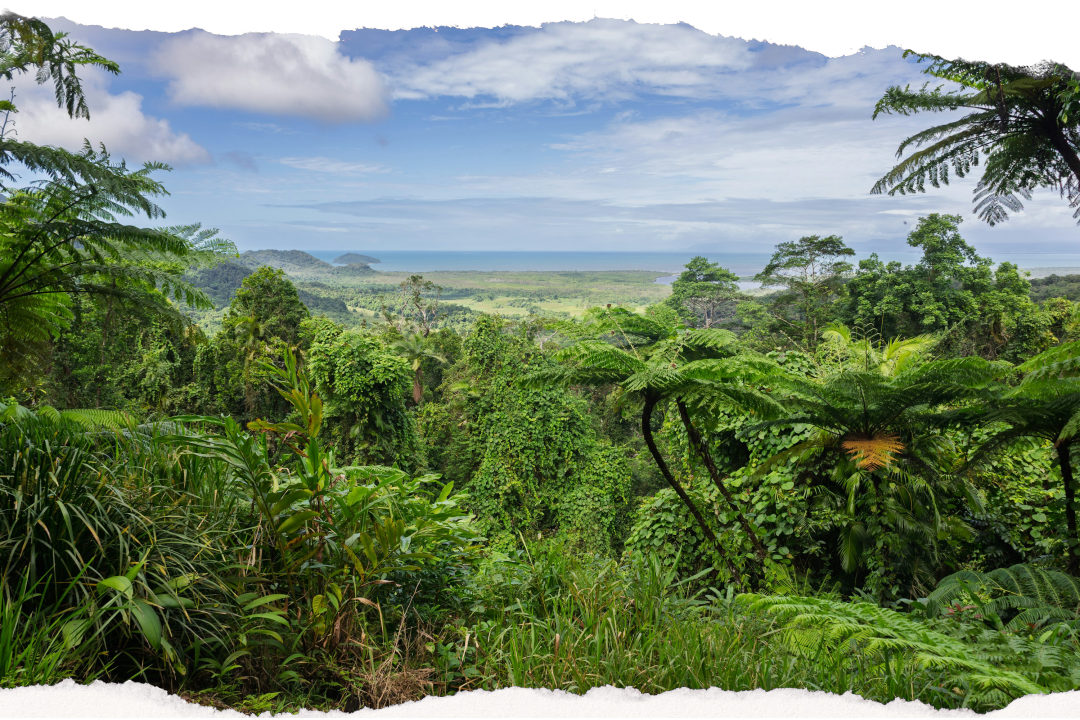
Just north of the reef sits something even older: the Daintree, the oldest tropical rainforest on Earth at roughly 180 million years. At Cape Tribulation it does something almost nowhere else on the planet manages, the rainforest runs straight down to the sand where two World Heritage areas, reef and forest, meet at the water’s edge. Cassowaries pick through the undergrowth, the canopy hums, and a river cruise puts you eye-level with basking crocodiles, safely from the boat. For the adventurous, this is bush-tucker country too: a handful of local restaurants put emu, kangaroo and even crocodile on the menu, if you’re game to try them.
Insider tip: Skip the standard daytime drive-throughs. A private guided night walk out of Cape Tribulation is what we’d build the day around. The forest is a different place after dark: green-eyed possums in the canopy, frogs the size of a thumbnail, glow-worms tucked into the leaf litter, and a guide with the spotlight and the knowledge of which paths show what. Far and away the best way to see the Daintree.
5. Phillip Island & Melbourne
Where: Victoria
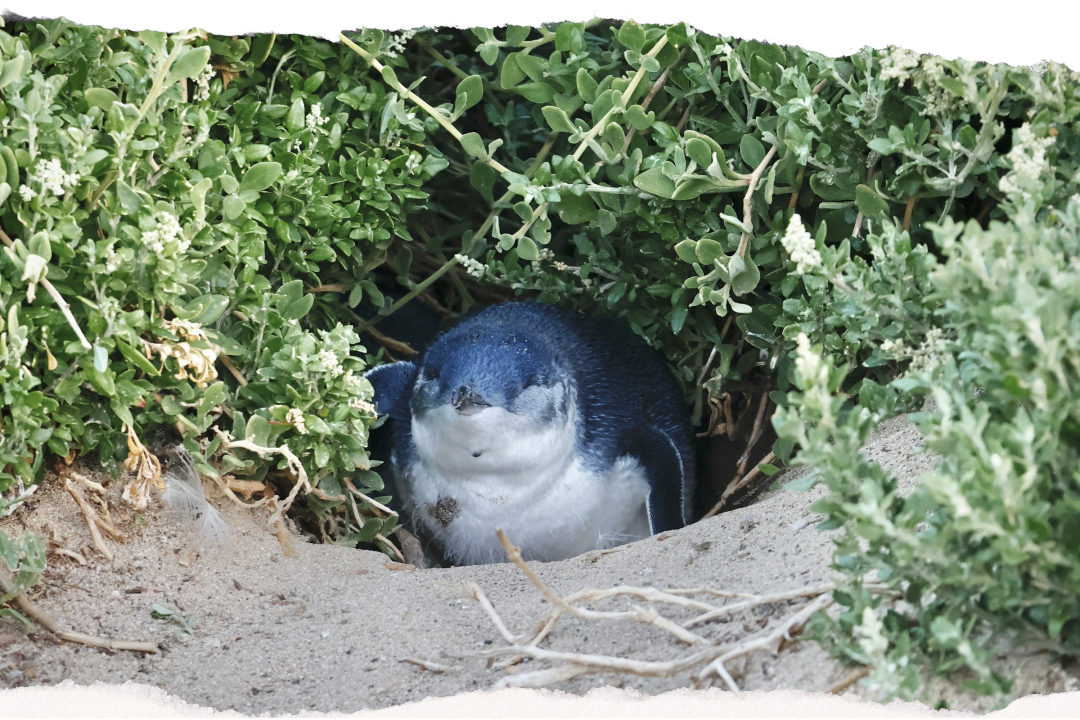
Just off the Victorian coast and an easy day out from Melbourne, Phillip Island delivers one of the country’s most loved wildlife moments: hundreds of little penguins emerging from the surf at dusk, waddling back up the beach to their burrows. Pair it with a few days in Melbourne for the contrast, laneway coffee, street art, hidden bars, and some of Australia’s best food, found mostly by wandering.
Insider tip: For the Penguin Parade, the Ultimate Adventure platform is the one we recommend. You watch from a much smaller group on a lower-set viewing deck, right at the penguins’ arrival point, while the main stands sit further back. A very different experience from the standard ticket.
6. The Twelve Apostles & the Great Ocean Road
Where: Victoria
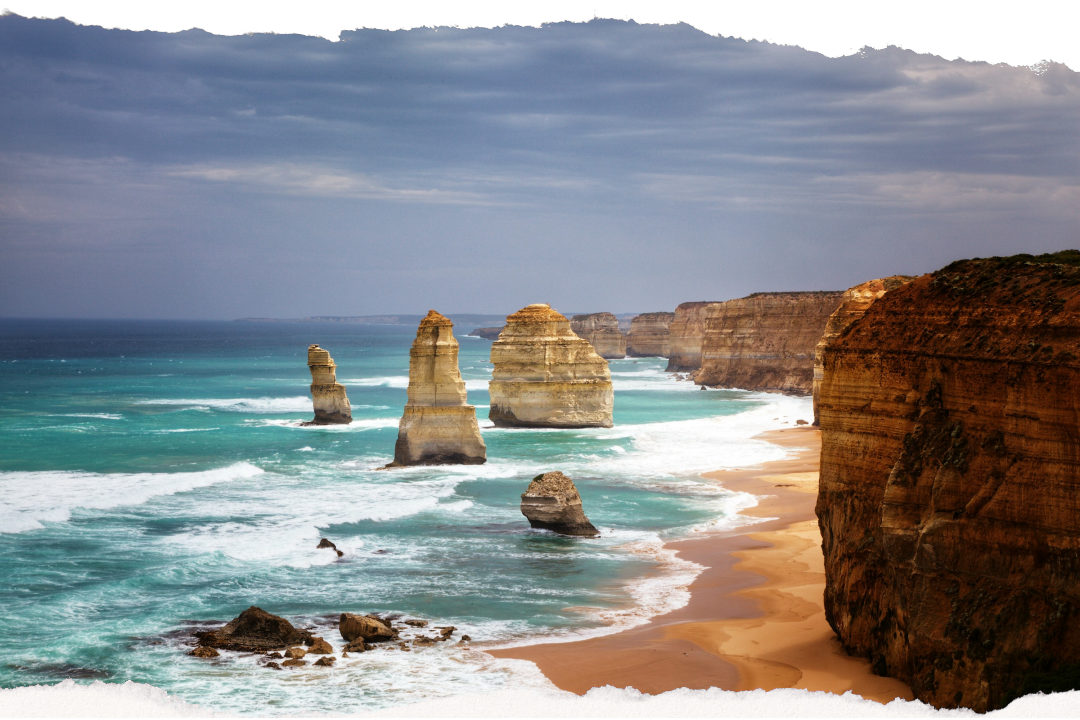
One of the world’s great coastal drives, and a memorial too: the Great Ocean Road was built by returned soldiers after the First World War. There are two ways to take it in. You can fly, with a scenic helicopter out of Melbourne sweeping you over the Twelve Apostles in a single morning, those limestone stacks standing tall in the Southern Ocean where the cliffs have slowly worn away. Or you can take your time on the road itself, winding through quiet coastal towns and koala-filled forest, pulling in at iconic Bells Beach, home to some of the best surfing in the world. Either way, sunrise and sunset are when the Apostles glow.
Insider tip: Give the road two or three days, not one. Base out of Apollo Bay and you can fold in Cape Otway for koalas in the wild, lighthouse views and ancient rainforest, and we can arrange a quiet evening watching for wild platypus on a forest creek, one of the few places in the country you can reliably see them. Time the Apostles for late afternoon when the tour buses thin out and the low sun lights the stacks gold.
7. Kangaroo Island
Where: South Australia
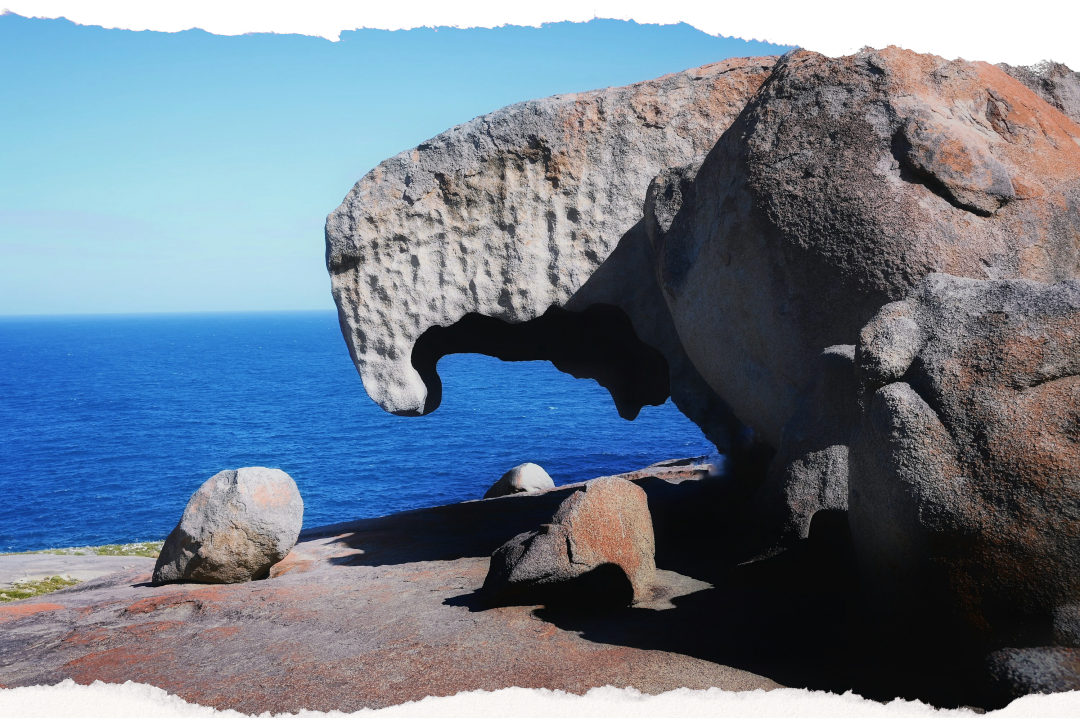
A short ferry from the mainland and a world of its own. Kangaroo Island packs a remarkable amount of wild Australia into one place: Australian sea lions dozing on the beach at Seal Bay, wild koalas in the manna gums at Hanson Bay, sculpted granite boulders at Remarkable Rocks, and a colony of fur seals beneath Admirals Arch. It’s nature at an unhurried pace, with the kind of space that’s increasingly hard to find.
Insider tip: Stay at least one night rather than visiting on a day trip. The island’s wildlife is most active around dusk and dawn, and a guided nocturnal walk turns up wallabies, possums and the occasional echidna once the day-trip ferries have gone.
There when you need it, out of the way when you don’t
Each of these places rewards good timing, knowing when the light is right, when the crowds arrive, which boat reaches the better reef. That’s quietly what a private guide is for. They handle the logistics, the bookings and the small decisions that make a long way to come feel effortless, then step back and give you and your family the room to simply enjoy it.
Ready to see Australia properly?
These seven are the starting point, not the limit. Tell us what draws you, reef days or red desert, coastal drives or quiet islands, and we’ll build a private, guided trip around the moments that matter most to you.